
Product Overview
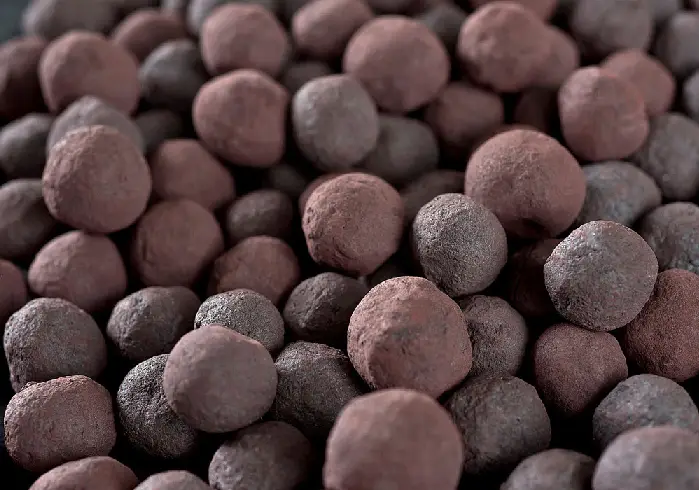
Sponge iron is produced by reducing iron ore pellets at 800–1200 °C using a reducing gas (H₂ + CO), a process in which oxygen is removed from the pellets to leave metallic iron with a porous structure. Lower energy consumption, less pollution and lower capital cost than the blast furnace route have made it very common in Iran. Iran is currently one of the world's largest sponge iron producers, and more than 80% of its output uses MIDREX technology fed by natural gas.
Technical Specifications
| English name | Direct Reduced Iron (DRI) / Sponge Iron |
| Iron grade (Fe) | 84–95% |
| Metallisation | About 92% (MIDREX technology) |
| Size | 4–20 mm |
| Apparent density | 3.4–3.6 t/m³ |
| Bulk density | 1.6–1.9 t/m³ |
| Delivery temperature to steelmaking | About 600 °C (hot charging) |
| Main technology in Iran | MIDREX — gas based |
| Main producers | Foolad Khuzestan, Tosee Ahan Gol-e-Gohar, Arfa Iron & Steel, Jahan Foolad Sirjan, Foolad Ghadir Iranian, Foolad Khorasan |
Types of Sponge Iron
Cold DRI
Cooled after reduction, making it suitable for transport and storage
Hot DRI (HDRI)
Charged directly into the steelmaking furnace at 600 °C for higher efficiency
Hot briquetted iron (HBI)
DRI briquetted at 650 °C; oxidation-resistant and well suited to export
Production Process (MIDREX)
Natural gas reforming
With a catalyst and heat, natural gas is converted into hydrogen (H₂) and carbon monoxide (CO)
Reducing gas enters the furnace
H₂ and CO gases enter the reduction furnace at 800–1200 °C and react with the iron ore pellets
Reduction of iron oxides
Oxygen is removed from the pellets, leaving metallic iron with a porous (sponge-like) structure
Delivery to the steel plant
Sponge iron is charged hot (HDRI) or after cooling (cold DRI) into an electric arc or induction furnace
Comparison with Scrap Iron
| Property | Sponge iron | Scrap iron |
| Iron grade | 84–95% | Variable, usually lower |
| Tramp elements (sulphur, zinc, copper) | Very low | Significant |
| Uniform composition | High and controllable | Variable and uncertain |
| Reliable supply | From domestic mines | Market dependent |
| Output steel quality | Higher | Lower |
Applications
Electric arc furnace (EAF)
The principal use; replaces up to 100% of scrap in electric furnaces producing billet and slab
Induction furnace (IF)
Replaces up to 50% of scrap in induction furnaces, lowering nitrogen and improving product quality
Coolant in LD converters
Used as a coolant in the oxygen converters of steel plants
Continuous casting
Slab and billet production
What Neda Foolad Mobin Offers
Working directly with Iran's major direct reduction plants, including Mobarakeh and Ardakan, Neda Foolad Mobin supplies sponge iron at a guaranteed metallisation and suitable grade to steelmakers. Being able to supply all three forms — cold DRI, HDRI and HBI — is one of our key strengths.